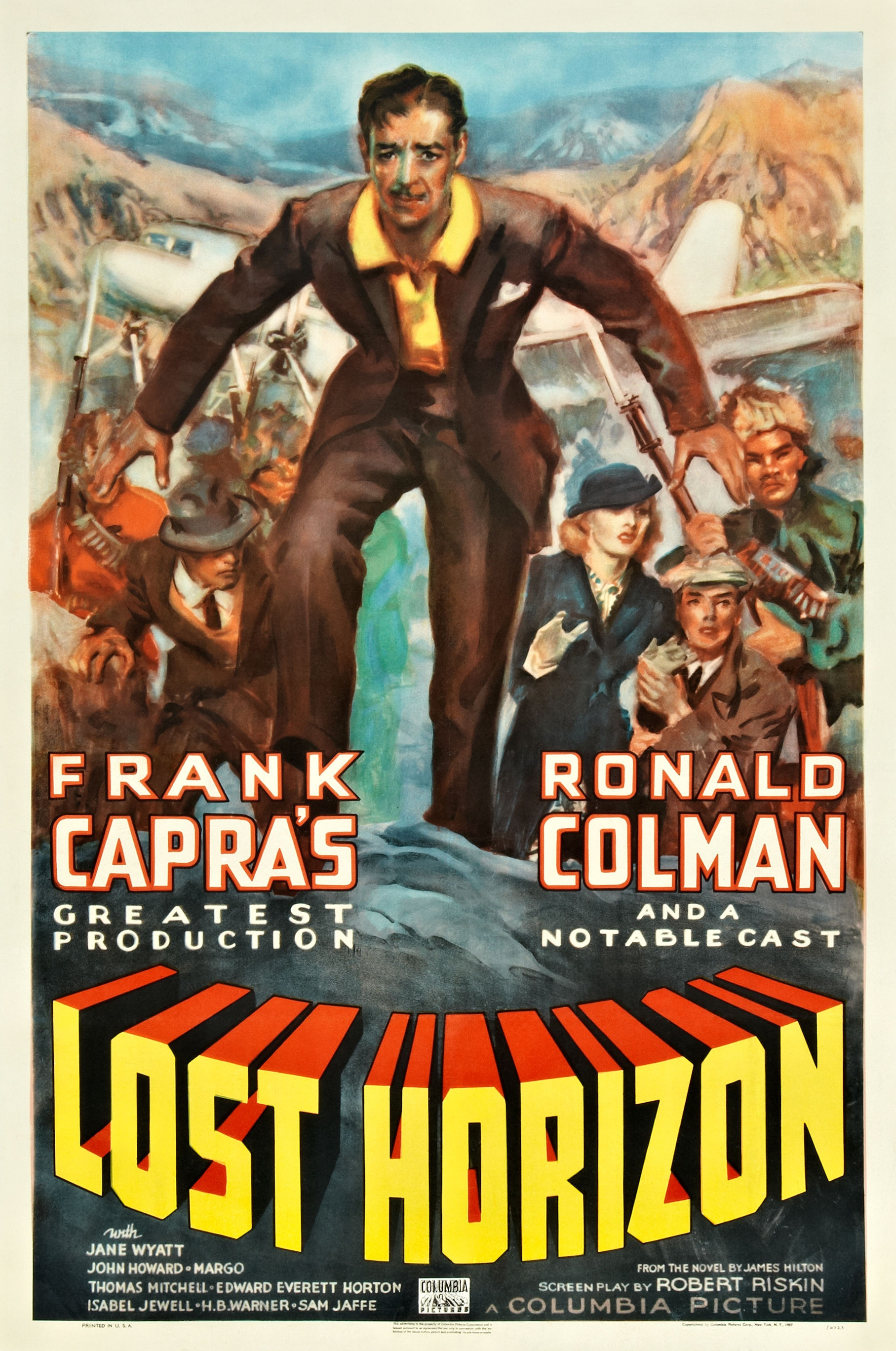
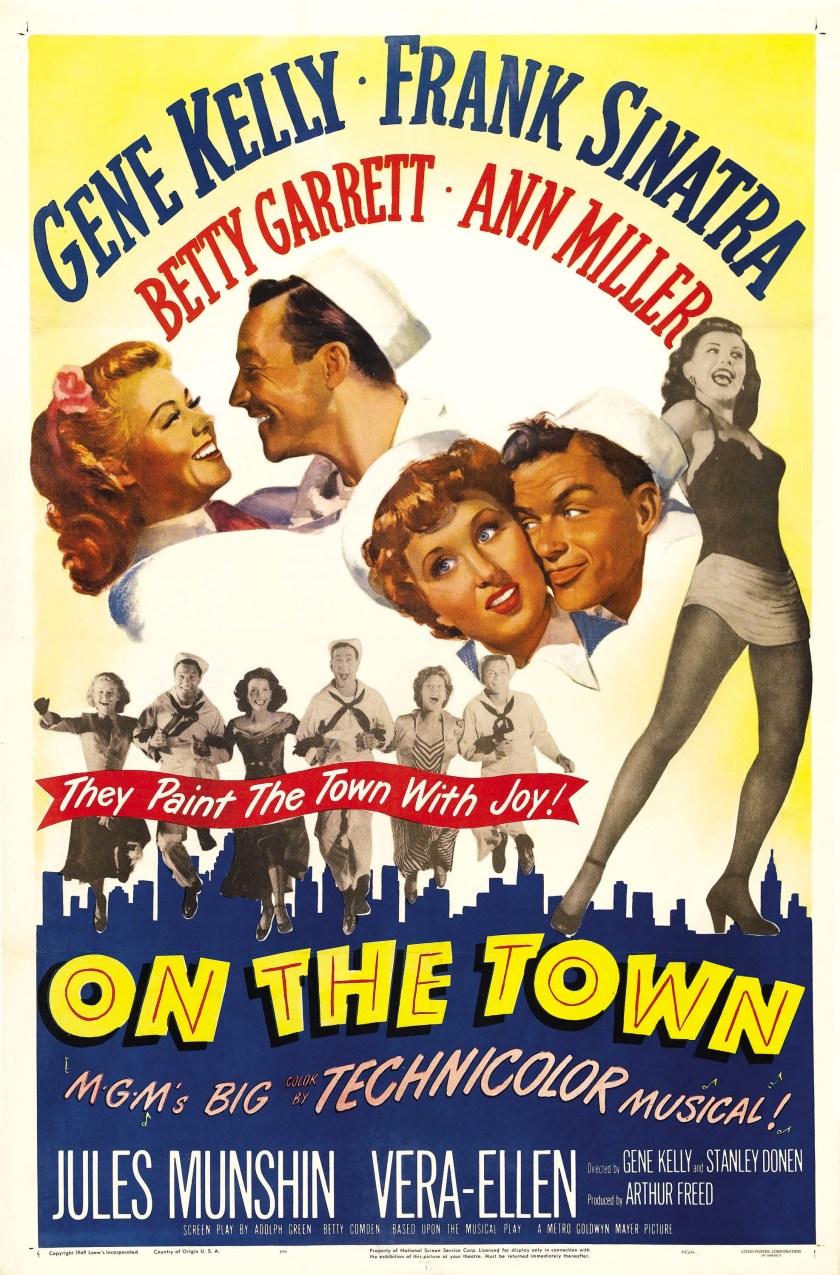
#436) On the Town (1949)

MV5BNjk0YmVlNTQtZDg0NC00MGYyLWFhYTMtMTBlMzFkYjczMDMyXkEyXkFqcGdeQXVyMDI2NDg0NQ@@._V1_

#436) On the Town (1949)

OR “Fleet Week: The Musical”

Directed by Gene Kelly and Stanley Donen

Written by Betty Comden and Adolph Green. Based on the stage play by Comden & Green and Jerome Robbins. Original songs by Comden & Green and Leonard Bernstein. Additional music by Roger Edens.

Class of 2018

The Plot: Sailors Gabey, Chip, and Ozzie (Gene Kelly, Frank Sinatra, and Jules Munshin) have a 24 hour shore leave in New York City, and they don’t want to miss a sight, and by sight I mean woman. Gabey pursues aspiring dancer Ivy, aka “Miss Turnstiles” (Vera-Ellen), Ozzie falls for anthropologist Claire (Ann Miller), and Chip finds himself in the arms of cab driver Hildy (Betty Garrett). There’s plenty of music and mayhem to be had by these six in New York, New York, a helluva wonderful town.

Why It Matters: The NFR calls the film no less than “movie magic”, praising the “sparkling direction”, “splendid songs”, and its representation of America’s post-war “national optimism”.

But Does It Really?: This one is definitely a minor classic. Overall it’s a fun output from Gene Kelly and Stanley Donen, but we all know they can do much, much better. Still, “New York, New York” is one of the most iconic musical numbers in film history, and you can’t have this list without it. So the remaining 95 minutes of this movie, as dated and uninspired by comparison as they are, get preserved thanks to an unforgettable opening number. That’s a helluva legacy.

Shout Outs: Lucy asks Gabey if he’s ever seen “The Lost Weekend”.

Everybody Gets One: Special mention to leading ladies Betty Garrett and Vera-Ellen (though I suspect “White Christmas” will make the cut eventually). Neither Garrett nor Vera-Ellen had much of a film career after “On the Town”: Vera-Ellen retired from public life following a personal tragedy, and Garrett was blacklisted along with her husband Larry Parks. Garrett’s career would later rebound with work on “All in the Family” and “Laverne & Shirley”.

Wow, That’s Dated: In addition to the film’s antiquated skirt chasing, we get references to such ‘40s culture as “High Button Shoes”, Shmoos, and Alfred Kinsey! Also, suffice to say that New York is a very, very different city now.

Title Track: The title number “On the Town” was written specifically for the film, and I’ve already forgotten about it.

Seriously, Oscars?: A hit in 1949, “On the Town” won an Oscar for its sole nomination: Scoring of a Musical Picture. The film benefited from weak competition from fellow nominees “Jolson Sings Again” and “Look for the Silver Lining”. You don’t see either of them on this list, that’s for sure.

Other notes

  • MGM purchased the film rights to “On the Town” before the show even opened! When Arthur Freed finally saw the show, he hated it and made the film a low priority on his list. Stage director George Abbott was replaced by Kelly & Donen to distance the movie from the play. “On the Town” was the directorial debut for both Kelly and Donen, who had been seeking more creative control over their MGM projects.
  • To further differentiate the film version, most of the play’s songs were deleted in favor of new numbers by in-house composer Roger Edens. What could have been if Arthur Freed had actually liked the show.
  • Kelly & Donen pleaded with Freed to film “On the Town” in New York, with Freed eventually allowing them nine days to shoot in the city. Unexpected rain caused delays, but they managed to shoot the entire opening sequence. Watching Kelly, Sinatra, and Munshin cavorting around the real city puts “New York, New York” head-and-shoulders above the rest of the film.
  • Jules Munshin is to this movie what Ernie Hudson is to “Ghostbusters”. Munshin is adept at the comic shtick he is provided, but this movie really doesn’t care about Ozzie.
  • Vera-Ellen kinda looks like Michelle Williams.
  • Gabey tracks down Ivy using clues in her “Miss Turnstiles” poster, but none of those clues appear on the actual poster he’s holding. That’s a pretty massive plot hole. How did no one catch that?
  • Betty Garrett is having fun as Hildy, but she lacks the dynamite energy of a Nancy Walker or Lea DeLaria. Also, a woman being sexually aggressive towards Sinatra? Not so fun on this side is it, Francis?
  • “Prehistoric Man” is an excuse to get Ann Miller’s feet a-tapping, and her costume is likewise designed to give her legs a good reveal. It’s fun, but man oh man the cultural appropriation in this number. That’s not making the highlight reel any time soon.
  • Hildy’s roommate Lucy is played by Alice Pearce, aka Gladys Kravitz #1. Pearce is the only cast member from the original show to reprise their role.
  • This film breaks the 180 rule of filmmaking on a few occasions, causing characters to suddenly swap places in the frame. Rookie move, Kelly & Donen.
  • Just a reminder that Chip threw his guidebook off the top of the Empire State Building, no doubt killing an innocent bystander 1200 feet below.
  • Wow, these new songs aren’t great. No wonder Sinatra didn’t add these to the act. Side note: Sinatra would eventually record “Lonely Town”, a song from the stage version.
  • Shoutout to costume designer Helen Rose: Ivy, Claire, and Hildy have great costumes! I think it’s to make up for the necessarily dull sailor suits from the men.
  • That’s voiceover actor Hans Conried in an early on-screen role as the Head Waiter.
  • “Somewhere in the world is the right girl for every boy.” This movie just keeps adding to its “Wow, That’s Dated” section.
  • “A Day in New York” is Gene Kelly’s mandated third act extended ballet. It’s fine, but we all know the best ones are just around the corner.
  • Not a lot of movie musicals end in a car chase. I think just this and “Les Miserables”. Kidding of course: that movie sucks.

Legacy

  • Gene Kelly and Stanley Donen both started their directing careers with “On the Town”, and while they both found subsequent success making movies individually, nothing can top their collaboration on “Singin’ in the Rain”.
  • The stage version of “On the Town” has been revived on Broadway from time to time, most recently in 2014.
  • 70 years later, this film’s main takeaway is still the “New York, New York” number. Many have donned the sailor suit and belted a few bars, in one case in honor of that other helluva town: Springfield.

Further Viewing: 1945’s “Anchors Aweigh”, the OTHER Gene Kelly/Frank Sinatra “sailors on shore leave” movie musical. It’s the one where Gene Kelly dances with Jerry the Mouse!
Listen to This: The Class of 2019

image

In the midst of sheltering in place and sedating my anxiety with old movies, I almost forgot about the National Recording Registry. Yesterday, the NRR picked its 25 selections for 2019, which their press release refers to as the “Ultimate ‘Stay at Home’ Playlist”. Here’s the full list, presented in chronological order; links embedded whenever available.

Who knows what the future holds for this country, but at least we all lived long enough to watch Dr. Dre and Allan Sherman be inaugurated into the same registry.

Stay safe and wash your hands.

Tony

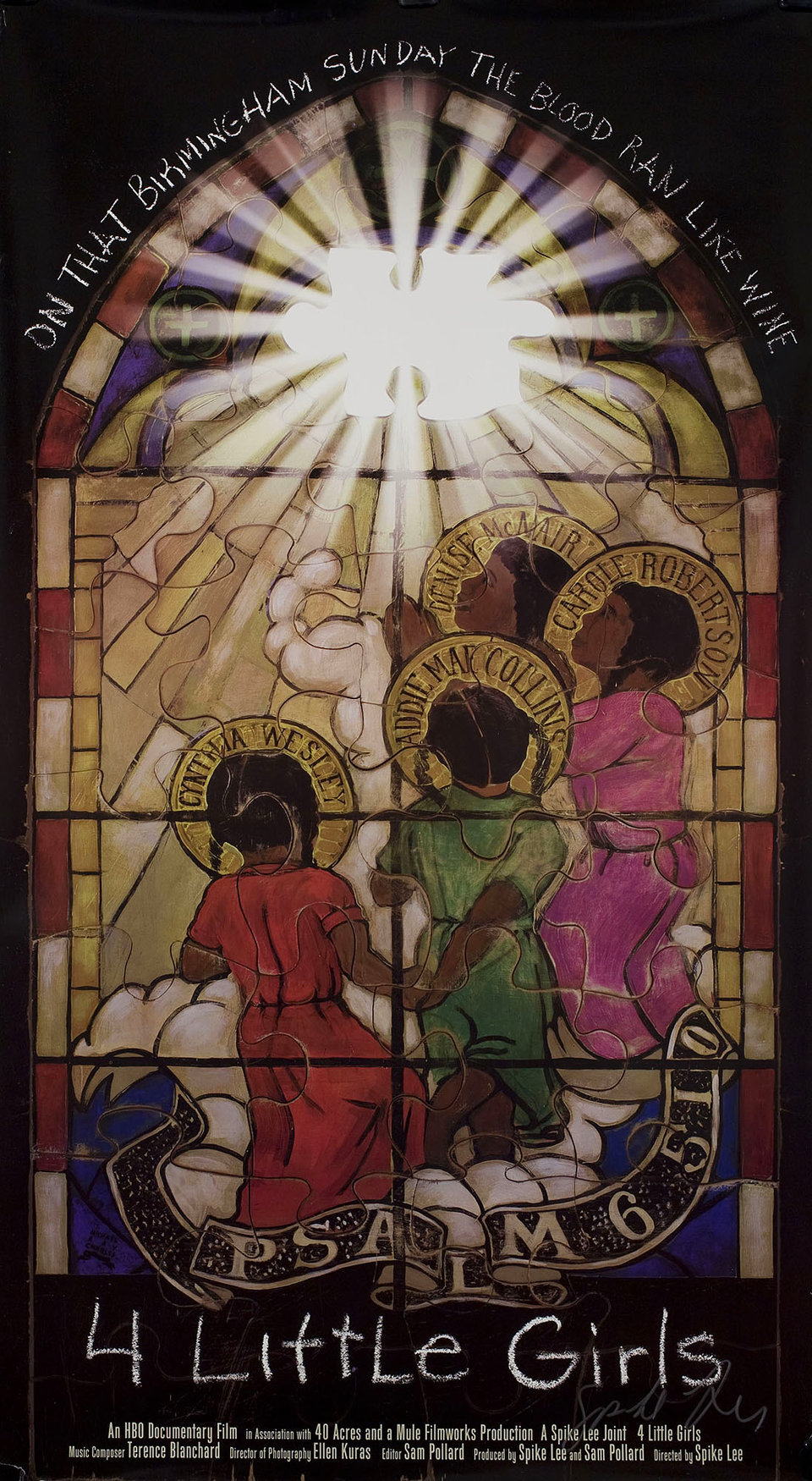
#435) 4 Little Girls (1997)

4-little-girls-md-web

#435) 4 Little Girls (1997)

Directed by Spike Lee

Class of 2017

The Plot: Spike Lee gives documentary filmmaking a go with “4 Little Girls”. The four in question are Addie Mae Collins, Denise McNair, Carole Robertson, and Cynthia Wesley; four young girls killed in the 16th Street Baptist Church bombing in Birmingham, Alabama on September 15th, 1963. Over 30 years later, Spike Lee interviews their family and friends to learn about the four, as well as the racial tension of Birmingham during the Civil Rights era. “4 Little Girls” cites the bombing as the turning point for White America to take a more active stance in supporting Civil Rights, leading to, among other things, the Civil Rights Act of 1964.

Why It Matters: The NFR calls the film “[a]n important documentary” and praises Lee’s melding of his fiction filmmaking skills to the documentary format, as well as his “sensitively rendered interviews”.

But Does It Really?: There are plenty of documentaries on this list about the Civil Rights era, but “4 Little Girls” ties them all together. Spike Lee manages to take this American tragedy and simultaneously make it a personal story about the four girls and their families, as well as a broader story about a turning point in our country’s history. The film is a tribute without becoming saccharine, with commentary from a wide array of subjects that allows for multiple perspectives. “4 Little Girls” makes the list for the events it chronicles, but in the hands of Spike Lee is also a compelling film on its own.

Title Track: I’m always surprised when a documentary has a title song, but it’s apparently more common than I thought. Played over the end credits, the song “4 Little Girls” is performed by Brooklyn artist Pantera Saint-Montaigne.

Seriously, Oscars/Emmys?: Originally produced for HBO, “4 Little Girls” impressed the network so much they gave it a theatrical run prior to its broadcast. The film received an Oscar nomination for Best Documentary, but lost to the Mark Jonathan Harris film “The Long Way Home”. The following summer, “4 Little Girls” received five Emmy nominations, losing Non-Fiction Special to “Vietnam POWs: Stories of Survival”.

Other notes

  • “4 Little Girls” was Spike Lee’s first documentary. Lee had originally planned a narrative feature based on the events, but after conducting years of research decided that a documentary would be a more appropriate approach. The documentary format also helped assure the families of the victims that the story would be presented as accurately as possible.
  • Spike Lee manages to interview a wide swath of those affected by the bombings. Family members, friends, classmates, neighbors; you really get the sense of an entire community permanently scarred by these events.
  • The film opens with “Birmingham Sunday”, a protest song about the bombing performed by…Joan Baez! Geez, she has more credits on the NFR than John Ford.
  • The opening scenes are very much a Spike Lee Joint. A discussion about Birmingham’s violent history leads to several (white) interviewees talking about how it was more peaceful town by the early ‘50s. These interviews are juxtaposed with archival footage of the Ku Klux Klan marching through town. No one gets off easy when Spike Lee’s around.
  • I appreciate the film’s efforts to show us what the girls were actually like, but even one of the interviewees admits that it’s hard to remember them 35 years later without rose-colored glasses. “We put so much of this behind us, and we don’t remember.”
  • Perhaps the film’s biggest “get”: an interview with Governor George Wallace! Wallace was filmed towards the end of his life, and walks back his “segregation now” viewpoints of the ‘60s with two standbys: “I did it because that’s how things were” and “my best friend is black”. Wallace’s inclusion is a surprising and saddening sight.
  • Also interviewed is former US Attorney General Nicholas Katzenbach, whose quick thinking during the University of Alabama desegregation of 1963 is highlighted in NFR documentary “Crisis: Behind a Presidential Commitment”.
  • You can’t talk about Birmingham during the Civil Rights era without showing footage of the local police hosing down the student protesters. This footage also appears in “King: A Filmed Record”, but watching it now from the students’ perspective makes for a more nuanced watch.
  • The center of the movie is a detailed account from interviewees of where they were during the bombing. Lee allows the subjects to tell their own story, but does add photos of the four girls’ bodies in the morgue to pack an appropriate emotional punch.
  • Spike Lee brings out most of his big name interviewees at the end to show the larger impact this bombing had on America and Civil Rights. Among those appearing: Coretta Scott King (reading her husband’s Christmas letter to the four families), Walter Cronkite, Ossie Davis, Jesse Jackson, and…Bill Cosby. Thankfully, Cosby’s appearance is one brief, hypocritical moment.
  • The final part of the film is devoted to the 1977 trial of Bob Chambliss, one of the four Klansmen responsible for the bombing. Denise’s father Chris agreed to take the witness stand, and his testimony is believed to have compelled the jury to a guilty verdict. Even when the narrative switches to a white man, Spike is able to keep our focus on the girls and their families.
  • As always, Spike ends his movie with a reminder that while things have changed, there’s still a lot of work left to do. The news footage of a resurge in church burnings in the mid-90s features an early use of the term “racially motivated”, which is a PC way of calling someone racist without actually saying it.
  • For those keeping track of the events of 1963, the 16th Street Baptist Church bombing occurred a mere 18 days after the March on Washington and Martin Luther King’s “I Have a Dream” speech.

Legacy

  • Spike Lee would team up with HBO for several documentaries, including 2006’s “When the Levees Broke”, his look at Hurricane Katrina and its aftermath.
  • “4 Little Girls” led to the reopening of several Civil Rights era cold cases, including the conviction of the other surviving men behind the bombing. Both Thomas Blanton Jr. and Bobby Cherry received life sentences in the early 2000s. Cherry died in prison in 2004, while Blanton continues to be denied parole.
  • The 16th Street Baptist Church bombing has been referenced throughout popular culture, including a recreation in the 2014 film “Selma”.

#434) Lost Horizon (1937)

MV5BNDIwODc3MDAtZWY5Ny00MTNkLTk2ZTMtYTE4NDY4NDk3MTVmXkEyXkFqcGdeQXVyMDI2NDg0NQ@@._V1_

#434) Lost Horizon (1937)

OR “You Can’t Take It With You-topia”

Directed by Frank Capra

Written by Robert Riskin. Based on the novel by James Hilton.

Class of 2016

NOTE: This post is based on my viewing of a 2017 restoration, which restored all of the audio of the original runtime, and all but six minutes of the footage. The missing footage is substituted with production photos and still frames.

The Plot: British diplomat Robert Conway (Ronald Colman) and his brother George (John Howard) help save a group of evacuees (Edward Everett Horton, Thomas Mitchell, and Isabel Jewell) from a revolution in China. The plane they board, however, is hijacked and after a crash landing, the group find themselves in the mythical, idyllic city of Shangri-La. Lama Chang (H.B. Warner) invites them all to stay and enjoy a peaceful lifestyle free from the worries of their previous lives. When Conway is chosen by the High Lama (Sam Jaffe) to be his successor, he must choose between a new life in Shangri-La, or continuing to help solve the problems of the outside world. Oh, and there’s a couple of ladies thrown in too (Jane Wyatt & Margo).

Why It Matters: The NFR cites “Lost Horizon” for its Depression-era escapism, and its propelling of “Shangri-La” into the cultural lexicon (along with the book). Also praised are the film’s “stunning cinematography and fantastic, extravagant sets”.

But Does It Really?: This is one of those movies where the story behind it is just as interesting (if not more) than the film itself. “Lost Horizon” is Frank Capra’s rare foray into Capra-corn with a big budget, and while the film is a minor classic compared to Capra’s other work, it is still an important moment in his career. The film itself can be slow in places, but is still entertaining and has enough historical significance to warrant eventual NFR inclusion.

Wow, That’s Dated: In addition to the slurs against “Chinamen” throughout the film, “Lost Horizon” has a massive YELLOWFACE WARNING as British actor H.B. Warner plays Chang. You don’t know what you’re doing, Mr. Gower!

Seriously, Oscars?: A hit in its day, “Lost Horizon” received seven Oscar nominations, including Best Picture. “Lost” lost in most categories to “The Life of Emile Zola”, but did manage to pick up two for its momentous editing (the first cut was six hours!) and its impressive art direction.

Other notes

  • Capra first read the novel “Lost Horizon” while he was filming “It Happened One Night”. Columbia gave Capra a budget of 1.25 million dollars; the biggest film budget at the time. Even with that big a price tag, Columbia still wouldn’t let Capra film in the still-revolutionary Technicolor process. The budget would balloon to a reported 2 million by the time production wrapped.
  • I assume David Niven inherited all of Ronald Colman’s roles. They fit the same dapper Englishman mold perfectly. Side note: Production was delayed to accommodate Colman’s schedule, as he was Capra’s only choice for Conway.
  • It takes a very long half hour for this movie to get to Shangri-La. I thought I was going to be on that plane forever.
  • Edward Everett Horton’s character was written specifically for the movie as comic relief, which explains why Lovett is so…Edward Everett Horton. He even got to improvise bits of comic business.
  • I don’t know what my ideal Utopia looks like, but it definitely doesn’t have as many stairs as this one.
  • Chang looks a lot like the guy from “American Gothic”. And how much of this movie is going to be him explaining the Shangri-La culture? Did Capra forget that film is a visual medium?
  • Also unique to the movie version is Sondra, Robert’s love interest played by Jane Wyatt, aka Spock’s Mom. And once again, the Western cultural appropriation of a generic Eastern culture makes for a tough watch.
  • Oooh, Spock’s Mom is going skinny-dipping! Apparently full-frontal nudity is fine in the Code Era as long as it’s really, really far away from the camera.
  • Both of Capra’s top two choices for the High Lama died before filming began, so he opted to cast a younger actor (Sam Jaffe) in old makeup. This began Sam Jaffe’s career of playing significantly older than he actually is.
  • Edward Everett Horton telling fairy tales? What an interesting idea…
  • Where’s Isabel Jewell during all this? She disappears for most of the movie, and her illness plot gets completely sidelined. In a movie that doesn’t care about characters, they really don’t care about her.
  • Thomas Mitchell is somehow the first person in Shangri-La to come up with implementing an irrigation system for the valley. As they say in another movie, “Indoor plumbing: it’s gonna be big.”
  • Colman’s best piece of acting in the movie is a single close-up of Robert’s face as he struggles with the idea of leaving Shangri-La. There’s a lot of subtle emoting happening in one take.
  • The original novel is bookended with other characters relating Conway’s journey, and this film ends in a similar way. So, rather than watch our protagonist finish his arc, we hear about it from a character we’ve never seen before. Kind of a letdown ending.

Legacy

  • Despite being one of the top earners of 1937, “Lost Horizon” was a critical disappointment, and its big budget guaranteed it would lose money. The original 133 version was cut down over the years – by the time it aired on television it was running 92 minutes – but the UCLA Film and Television Archive spent 13 years restoring the film to its premiere length. Thanks to their efforts, the restored version is the most readily available.
  • Despite the film’s initial setbacks, Capra’s career wasn’t damaged by it. He bounced back by winning his third Best Director Oscar for his next film, “You Can’t Take It With You”, and still had “Mr. Smith Goes to Washington” and “It’s a Wonderful Life” ahead of him.
  • Oh boy, does this movie have a remake. “Lost Horizon” was remade in 1973 as a big budget musical with a score by Burt Bacharach and Hal David, and an all-star cast including Peter Finch, Liv Ullmann, and John Gielgud. It was a box office bomb upon its release, and is still considered one of the worst movies ever made.
  • There was actually an earlier attempt to musicalize the novel with the 1956 Broadway musical “Shangri-La”, which closed after only 21 performances. Some things are best left alone.

Bonus Clip: “The world is a circle without a beginning and nobody knows where it really ends.” WHAT THE HELL DOES THAT MEAN?

#433) Winchester ’73 (1950)

MV5BM2Q5ODYwYmQtODc1NS00ZjQxLTg1NzEtMjIzYjA3NWJmY2QxXkEyXkFqcGdeQXVyMjI4MjA5MzA@._V1_

#433) Winchester ’73 (1950)

OR “The Maltese Rifle”

Directed by Anthony Mann

Written by Robert L. Richards & Borden Chase. Story by Stuart N. Lake.

Class of 2015

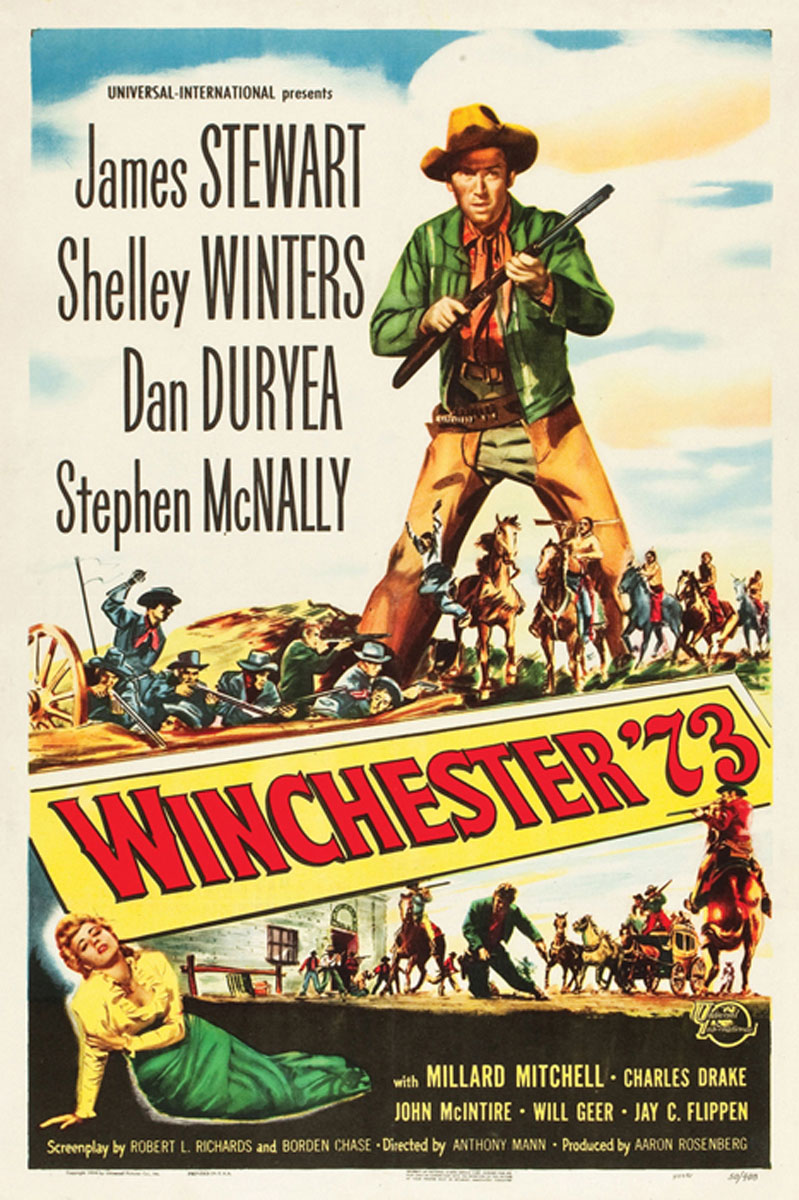
The Plot: On America’s centennial, Dodge City holds a shooting contest, and the grand prize is a “One of One Thousand” grade 1873 model Winchester rifle, the gun that won the West. The two finalists are Lin McAdam (James Stewart) and Dutch Henry Brown (Stephen McNally), who have some unspoken bad blood between them. After Lin wins the contest, Dutch has his men attack Lin and steal the rifle. Lin and his partner High-Spade Frankie (Millard Mitchell) travel across the plains to redeem their prize. Unbeknownst to them, the rifle ends up exchanging hands a few times, both from those who know its value and those who don’t. Co-starring Shelley Winters as a saloon girl, and a young unknown Rock Hudson as…a Native American? Ho boy.

Why It Matters: The NFR singles out the Stewart-Mann collaborations of the ‘50s, and acknowledges the “current debates about gun-carry rights”. The climactic and “justly-famous shootout amidst steep, rocky terrain” is also highlighted.

But Does It Really?: Every so often, an NFR entry is similar enough to another entry that I have to refrain from passing judgment until I’ve seen both. Such is the case with “Winchester ‘73”: the second James Stewart-Anthony Mann trope-subverting western in the NFR. The first one – 1953’s “The Naked Spur” – made the list 18 years before “Winchester”, and with that big a time gap just how important a film is “Winchester ‘73”? On its own, I enjoyed “Winchester” for its brisk, efficient storytelling and its well-cast ensemble, but I hardly consider it a classic. Whether or not it deserves its NFR placement I don’t know. Only a “Naked Spur” viewing will solidify my opinion. [UPDATE: Okay, fine, you can both be on the list.]

Wow, That’s Dated: “Winchester ’73” is tops on the problematic Native Americans list. Not only is the native tribe in the movie depicted as antagonists, they don’t even name which tribe it is! And thanks to aforementioned casting of Rock Hudson as their leader, REDFACE WARNING everyone!

Seriously, Oscars?: No Oscar nominations for “Winchester ‘73”, but the film did receive a WGA nomination in the now defunct category “Best Written American Western”, losing to another Jimmy Stewart western: “Broken Arrow”.

Other notes

  • Jimmy Stewart got involved with “Winchester” thanks to his desire to make another Universal picture. Stewart wanted the lead in the film version of “Harvey”, but Universal wouldn’t pay his star salary. As a compromise, Stewart was offered “Harvey” if he took “Winchester” and received a percentage of the film’s profits in lieu of being paid upfront. Stewart accepted and, when “Winchester” became a surprise hit, he allegedly received three times his original request.
  • After Fritz Lang stepped down from directing “Winchester” (Universal didn’t want him producing the film with his own company), Stewart got to choose his own director. He picked Anthony Mann after seeing some rushes of his work for Universal’s upcoming “The Devil’s Doorway”.
  • I was curious if the Winchester of firearms fame is any relation to the Winchester of Winchester house fame. Turns out, yes by marriage! Sarah Lockwood Winchester was married to Oliver Winchester’s son William, and started building the mansion after William’s death.
  • Will Geer (aka Grandpa Walton) is legendary Marshall Wyatt Earp, who was actually 20 years younger than Geer’s depiction here.
  • Kudos to Jimmy Stewart and Stephen McNally. I don’t know exactly what their beef with each other is, but I’m invested in this shooting competition. Fun Fact: Stewart became quite the skilled marksman during preparation for this film, but the more expert trick shots were still done by a professional.
  • I love Shelley Winters, but her character/limited screentime doesn’t earn her an above the title credit here. As Winters once said about her work in the film; “If I hadn’t been in it, would anybody have noticed?”
  • Ooh, cool chase scene between the wagon and the Native Americans. Also, interesting choice to have one of the characters (Steve Miller) be a through-and-through coward with few redeeming qualities.
  • Also dated: All of this movie’s night shots are clearly day-for-night. I’m pretty sure I can see the sun in one shot!
  • Rock Hudson isn’t the only young up-and-comer in the cast. One of the cavalrymen at the base is Tony Curtis, credited here as Anthony Curtis. Even back then he was too pretty for the wild west.
  • Like “Rear Window”, I’m pretty sure Jimmy Stewart’s character is supposed to be younger. There’s something a little off about hearing his dialogue coming from a 42 year old man.
  • One of the children at the Jameson house is named Gary, which is a helpful reminder that every person in world named Gary was once a child. Hard to wrap my mind around that.
  • I’m enjoying Dan Duryea’s performance as Waco Johnny. He’s your typical western “black hat”, but a tad more unhinged. His New York Times obit correctly called Duryea “the heel with sex appeal”.
  • Holy crap, Jimmy Stewart just went nuts on that guy in the bar! This is the scene that made America take note never to piss off George Bailey.
  • [Spoilers] I should have seen that twist coming, but I didn’t. At first I thought there was a major age gap between Jimmy Stewart and Stephen McNally; turns out it’s only three years. Both characters do that thing I love where they are subtle about their relation throughout the movie, and then are more overt about it after the reveal, even though they weren’t there for it. The brothers’ final shootout is the western movie equivalent of “Mom always liked you best!”
  • My main takeaway from this movie is to always put your name on things.

Legacy

  • “Winchester ‘73” was a hit, and helped Jimmy Stewart break out of the “aw-shucks” persona he had been pigeonholed in. His gross-percentage deal with Universal would also become an industry standard.
  • Jimmy Stewart and Anthony Mann would go on to make eight films together, six of which were westerns. The two outliers were the contemporary drama “Strategic Air Command”, and the biopic “The Glen Miller Story”. Does this film hold up next to their third movie, “The Naked Spur”? Stay tuned…
  • “Winchester ‘73” got the unnecessary remake treatment in a 1967 TV movie, with Tom Tryon and John Saxon filling in the lead roles. Dan Duryea returned, only this time as Lin’s uncle.
  • Oh, and I guess Rock Hudson and Tony Curtis did alright after this film too.